
Blog / 16 Jul 2024
Shelley, Darling, Light of my Life...
Reflecting on Shelley Duvall’s legacy, let's explore her complex performance in ’The Shining,’ her experience on set with Stanley Kubrick, and acknowledging the depth and dedication behind her performances... or not?
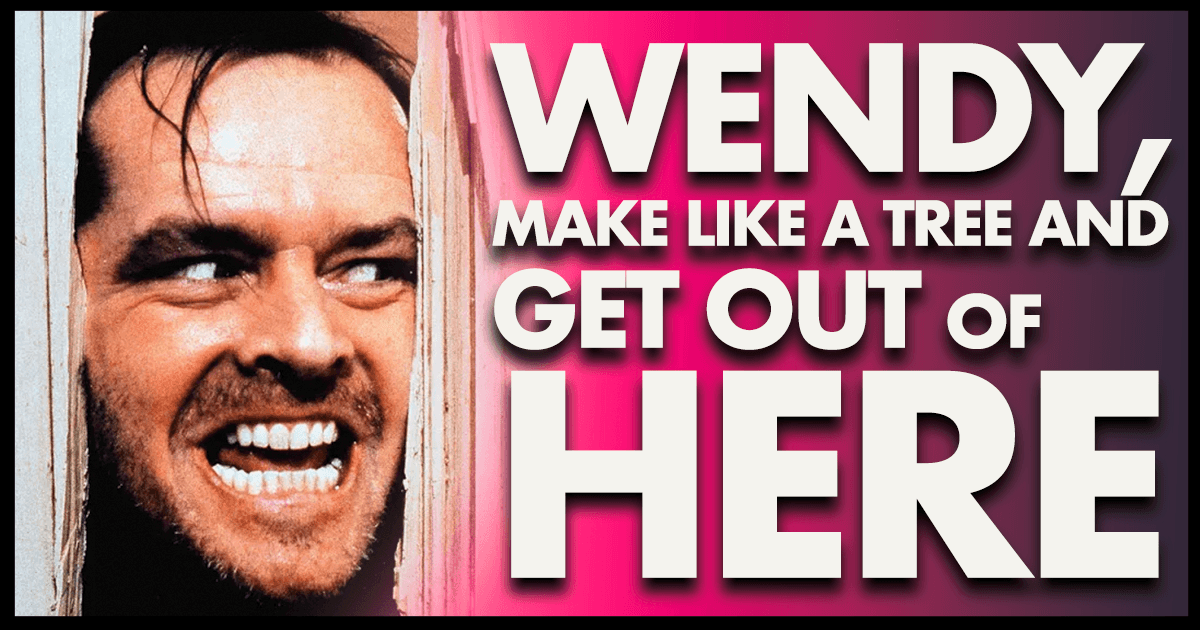
Shelley Duvall: A Retrospective on Her Unique Legacy
Shelley Duvall’s passing on July 11, 2024, marks the end of an era for a unique actress. Best known to me for her role as Wendy Torrance in Stanley Kubrick’s The Shining, Duvall left an indelible mark on cinema. As someone who considers The Shining a favorite movie, I wanted to take a moment to reflect on her work and the impact she had on me as a viewer.
The Shining: A Complex Performance
When I watched The Shining, I struggled with Shelley Duvall’s portrayal of Wendy Torrance. Her expressions and reactions, notably during the iconic elevator scene where blood spills out from the doors, felt over the top and pulled me out of the moment. Her exaggerated fear and hysteria seemed too much, detracting from the chilling atmosphere Kubrick masterfully created. This detraction occurred several times for me throughout her performance in the film.
I don’t think I am alone in this criticism. Shelley was even nominated for a Razzie award for her performance in the film, although the parody award show later rescinded that nomination. Over time, I thought it might be time to reconsider my initial judgment.
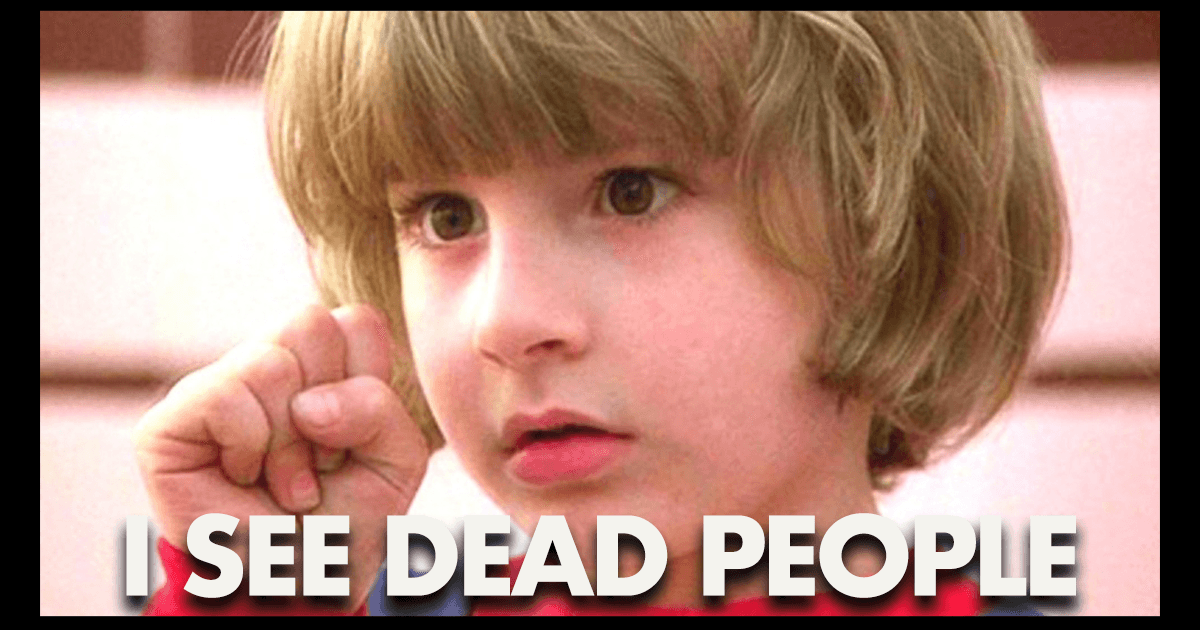
With repeated viewings, I started to see the nuance and wondered if the performance was intentionally… annoying. Wendy Torrance is a woman with good intentions, caught in a terrifying and surreal situation. Her seemingly irritating and overly dramatic demeanor highlights the claustrophobic tension of being trapped in the Overlook Hotel with an increasingly unhinged husband and a son who talks to his finger.
Duvall’s portrayal, which initially felt grating, started to make sense within the context of the story. She embodied a character who is not just a victim but a catalyst in Jack Torrance’s descent into madness. You begin to understand and perhaps empathize with why Jack goes down the path that he does.
Challenges on The Shining Set
Duvall’s experience on the set of The Shining was infamously grueling. Stanley Kubrick was notorious for his demanding and meticulous nature, and Duvall faced his relentless intensity head-on. She was subjected to extreme stress, with Kubrick insisting on numerous retakes to capture the perfect level of hysteria.
This process took a significant toll on her both physically and mentally. In later interviews, Duvall described the experience as almost unbearable, yet she retained a certain respect for Kubrick’s vision and the cinematic masterpiece they created together.
I clipped together moments from Vivian Kubrick’s documentary that show what life was like for Shelley on set. It gives the impression that her behavior was difficult to tolerate and not always taken very seriously.
Olive Oyl: Perfect Casting
On a lighter note, Shelley Duvall’s role as Olive Oyl in Robert Altman’s Popeye stands out as one of the most perfectly cast roles in film history. Her lanky frame, quirky mannerisms, and distinctive voice brought the beloved cartoon character to life in a way that no other actress could have.
Shelley Duvall’s legacy is one of complexity and contradiction. While I might not have been the biggest fan of her work initially — and honestly, I’m still not sure I enjoy it. I can appreciate the dedication and resilience it took to deliver such performances, particularly under the immense pressure from a director like Kubrick.
Her performances can be polarizing, but they are undeniably impactful. She brought a unique energy and authenticity to her roles, from the terrified wife in The Shining to the whimsical Olive Oyl. Rest in peace, Shelley Duvall. Your talent and spirit will be missed.